Rethinking How Young People Enter Work
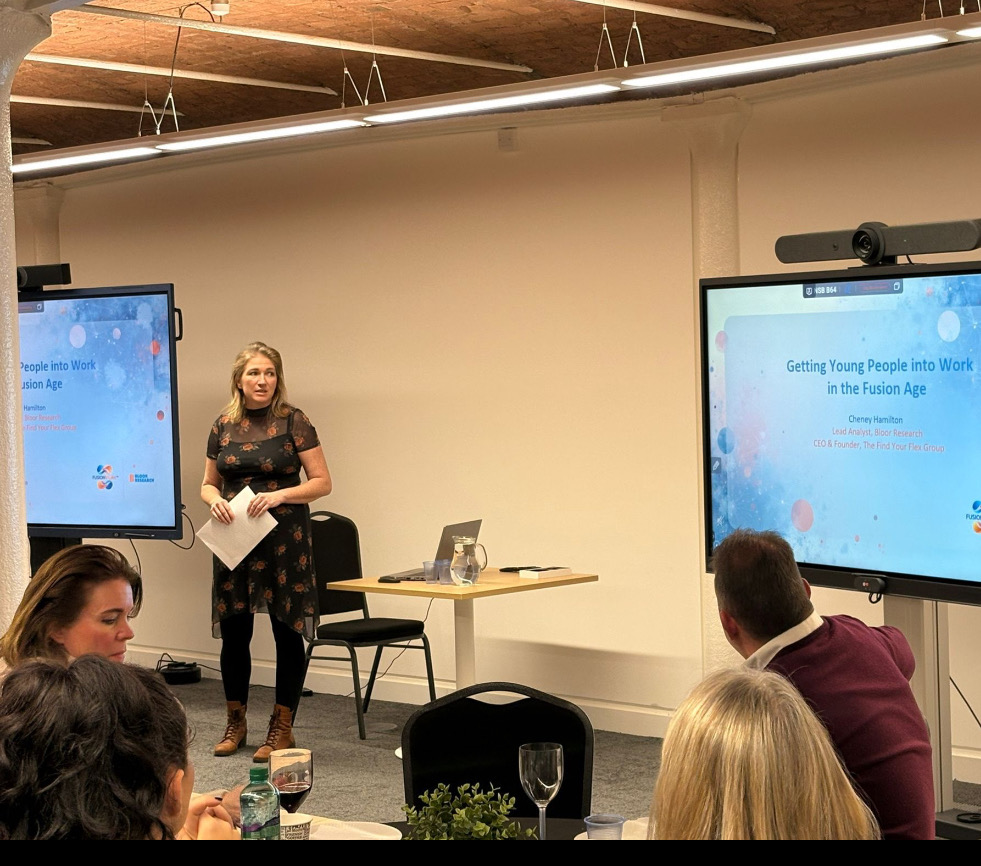
Reflections from a recent employability event in Liverpool
At a recent employability event in Liverpool, focused on supporting young people into work, one of the keynote talks really stayed with us. It captured something many community organisations, educators and employers recognise every day — the growing gap between how young people learn and how work is still designed.
We’re not short of capable young people.
What we’re often short of are meaningful, accessible entry points into work.
In education, young people learn in a connected, human way — across subjects, through creativity, problem-solving, collaboration and context. But when they step into their first job, learning can suddenly become narrow and task-focused: one role, one function, one set of instructions.
For many, that shift is jarring — and it’s one of the reasons early disengagement from work is so common.
Another important point raised was how entry-level recruitment still relies heavily on formal qualifications, linear pathways and existing networks. Automated systems are often designed to reward credentials and experience rather than potential. But not everyone has access to the same support, opportunities or networks — and that means talent is too often overlooked.
At the same time, young people are learning in new ways.
Through self-directed projects, digital platforms, creative experimentation, peer learning and increasingly through technology and AI. These experiences build real capability, but they don’t always show up neatly on a CV.
What stood out most was the idea that how someone thinks, learns and approaches a problem can be far more valuable than where they studied or how polished their application looks. Skills like creative thinking, emotional intelligence, adaptability and leadership are becoming increasingly important — especially as automation takes over more routine, output-based tasks.
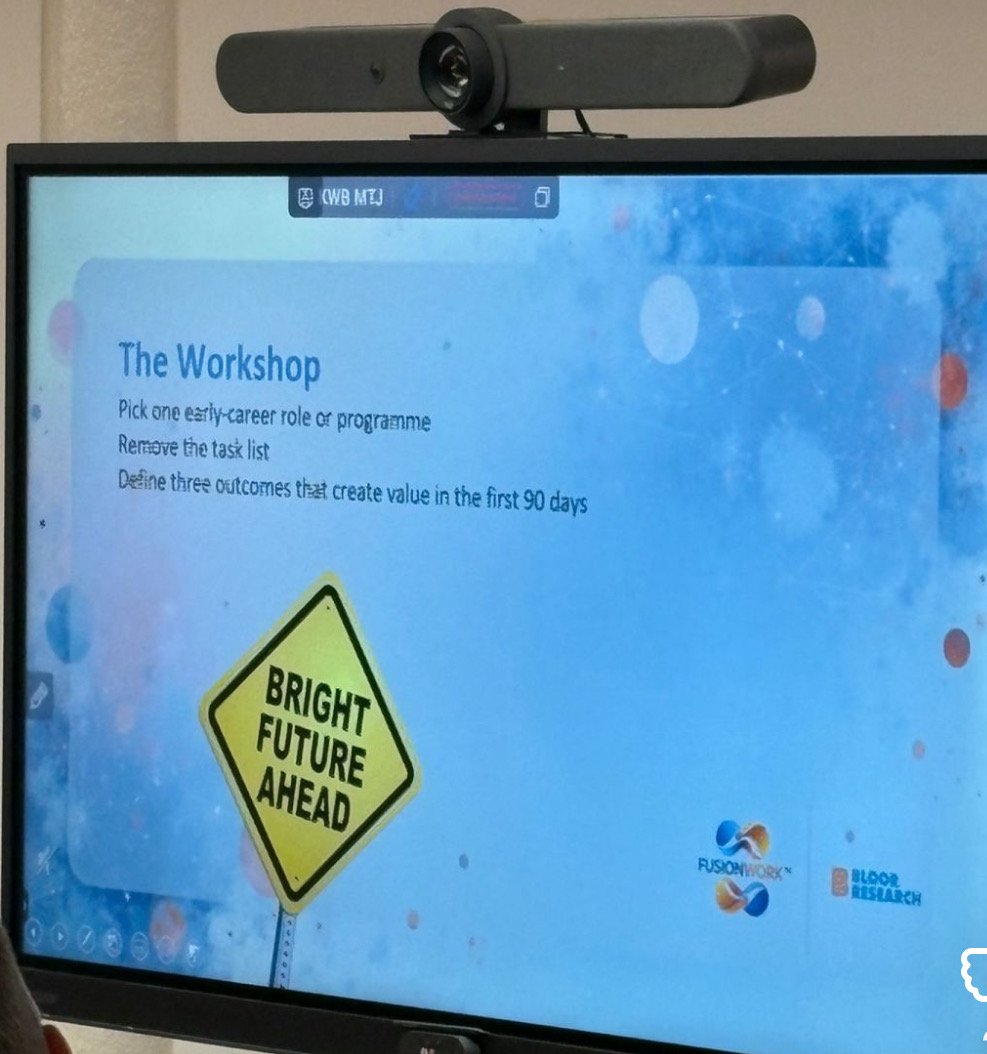
Work itself is shifting towards outcomes: judgement, collaboration, value creation and purpose. And that means employability needs to be rethought too.
For us at Signature Community Events CIC, this aligns strongly with why we exist. Our work focuses on creating inclusive, supportive environments where people can build confidence, connect with others and develop real-world skills through participation — not just paperwork.
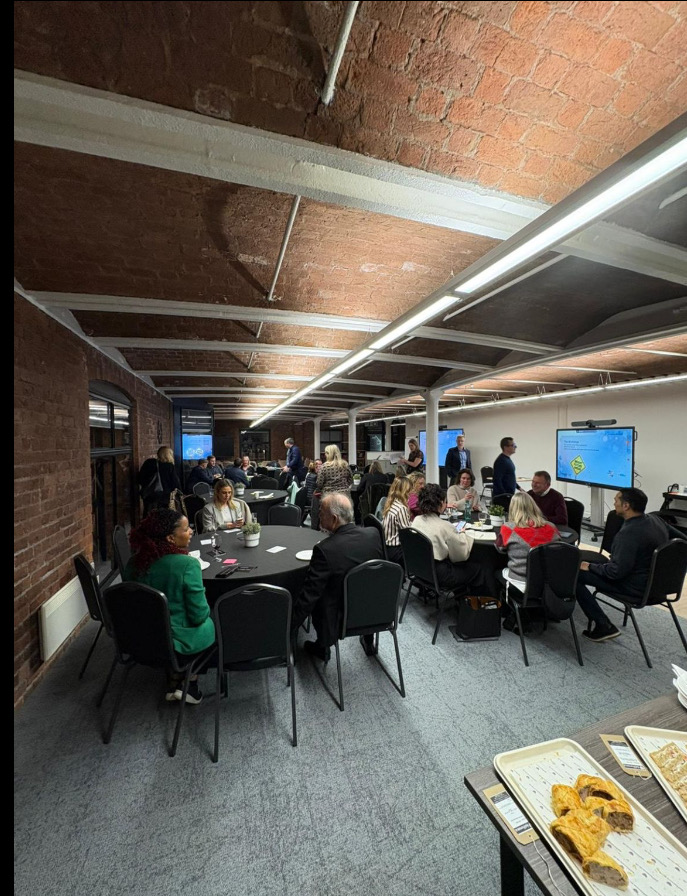
Community-led events, workshops and activities can play a powerful role in bridging the gap between education and employment. They offer safe spaces to learn, try, fail, reflect and grow — often in ways that feel more natural and accessible than traditional routes.
Events like this remind us that improving employability isn’t just about jobs.
It’s about belonging, confidence, exposure and opportunity.
If we can improve the way people experience their first steps into work, we don’t just support early careers — we help rebuild trust in work itself.
We’re grateful to have attended this event and to be part of ongoing conversations across Liverpool and beyond about how communities, organisations and employers can work together to create better pathways forward.
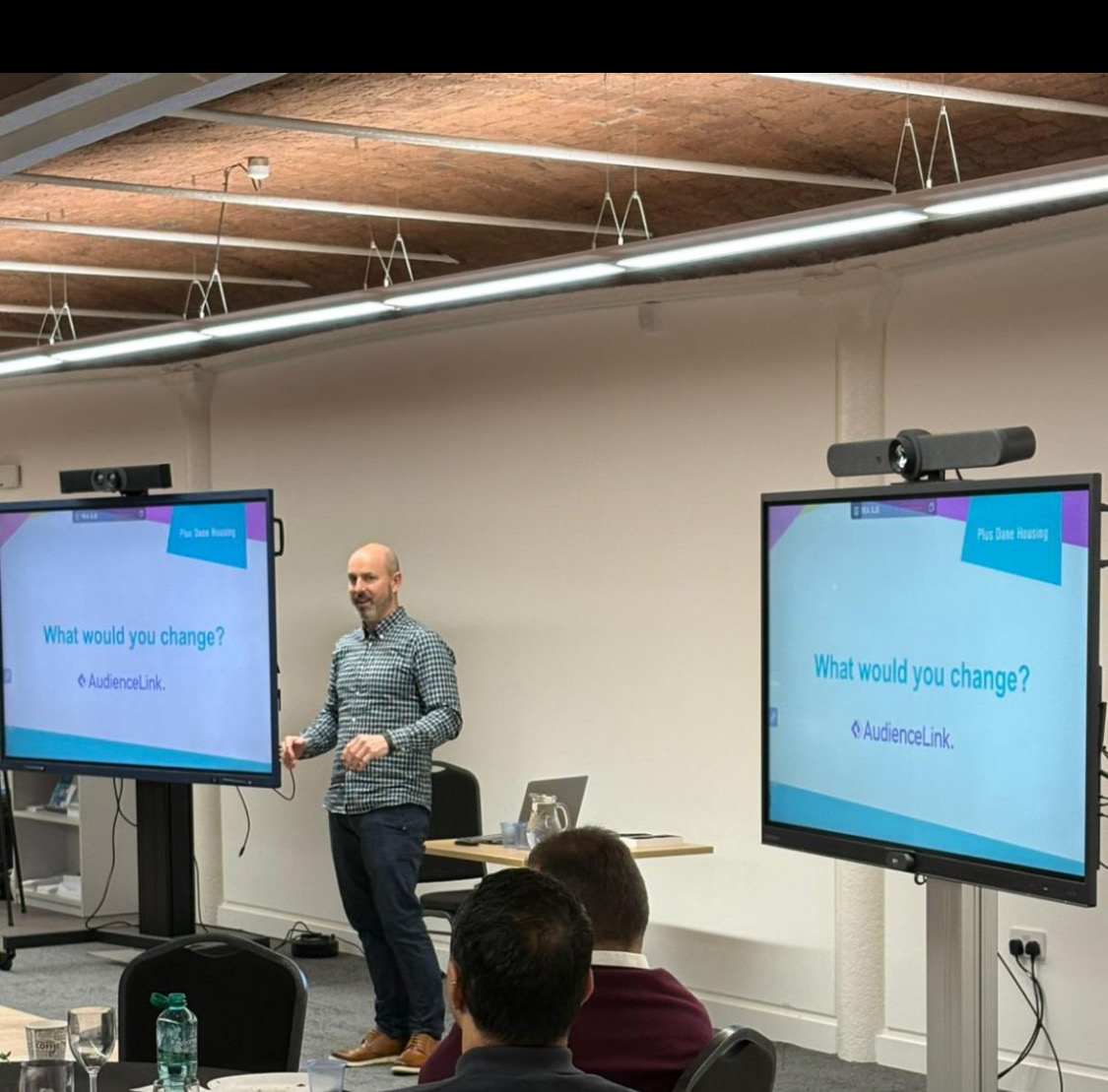
Thank you to AudienceLink Ltd for delivering the workshop and creating space for these important discussions.
