Learning by Doing
Why Practical, Hands-On Learning Actually Works
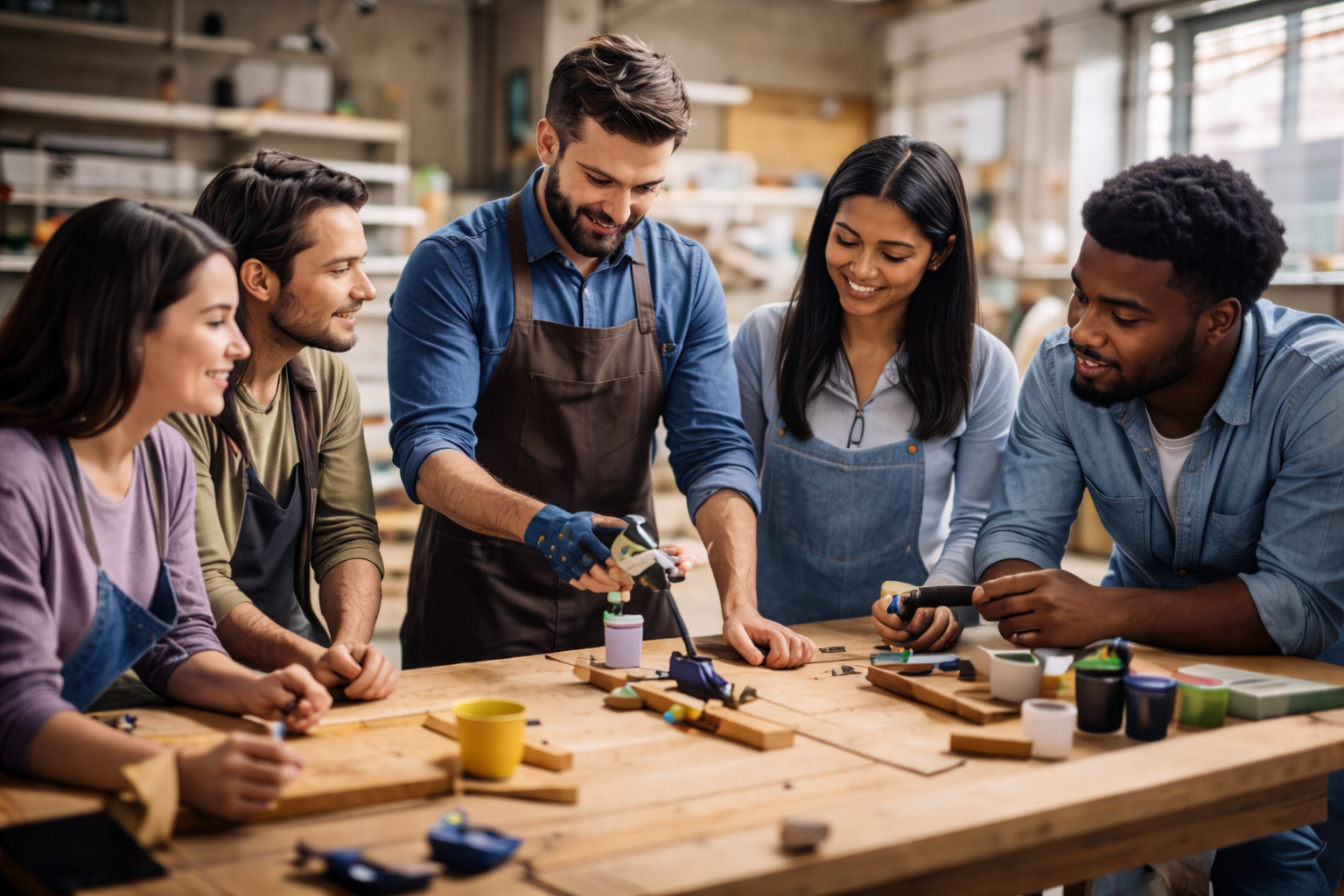
For many people, learning hasn’t failed because they weren’t capable.
It failed because the environment didn’t fit them.
Too often, learning has been something done to people, rather than something they’re invited into. A classroom. A course. A system that assumes everyone starts from the same place, learns at the same pace, and feels safe enough to raise their hand and ask questions.
But real life doesn’t work like that.
And for many people — especially those who’ve been disengaged, overlooked, or knocked back — traditional learning environments can feel more like barriers than opportunities.
This is where practical, hands-on learning changes everything.
Learning That Starts With Humanity, Not Ability
Hands-on learning works because it doesn’t begin by asking what someone knows.
It begins by asking:
“Can you be here?”

There’s no test at the door.
No requirement to prove intelligence.
No pressure to perform.
Just presence.
And that matters more than we often realise.
For people who’ve struggled with confidence, anxiety, education, or structure, being welcomed into a real environment — without judgement — is often the first step toward growth.
Not learning about something.
But being part of something.
Confidence Is Built Through Action, Not Encouragement
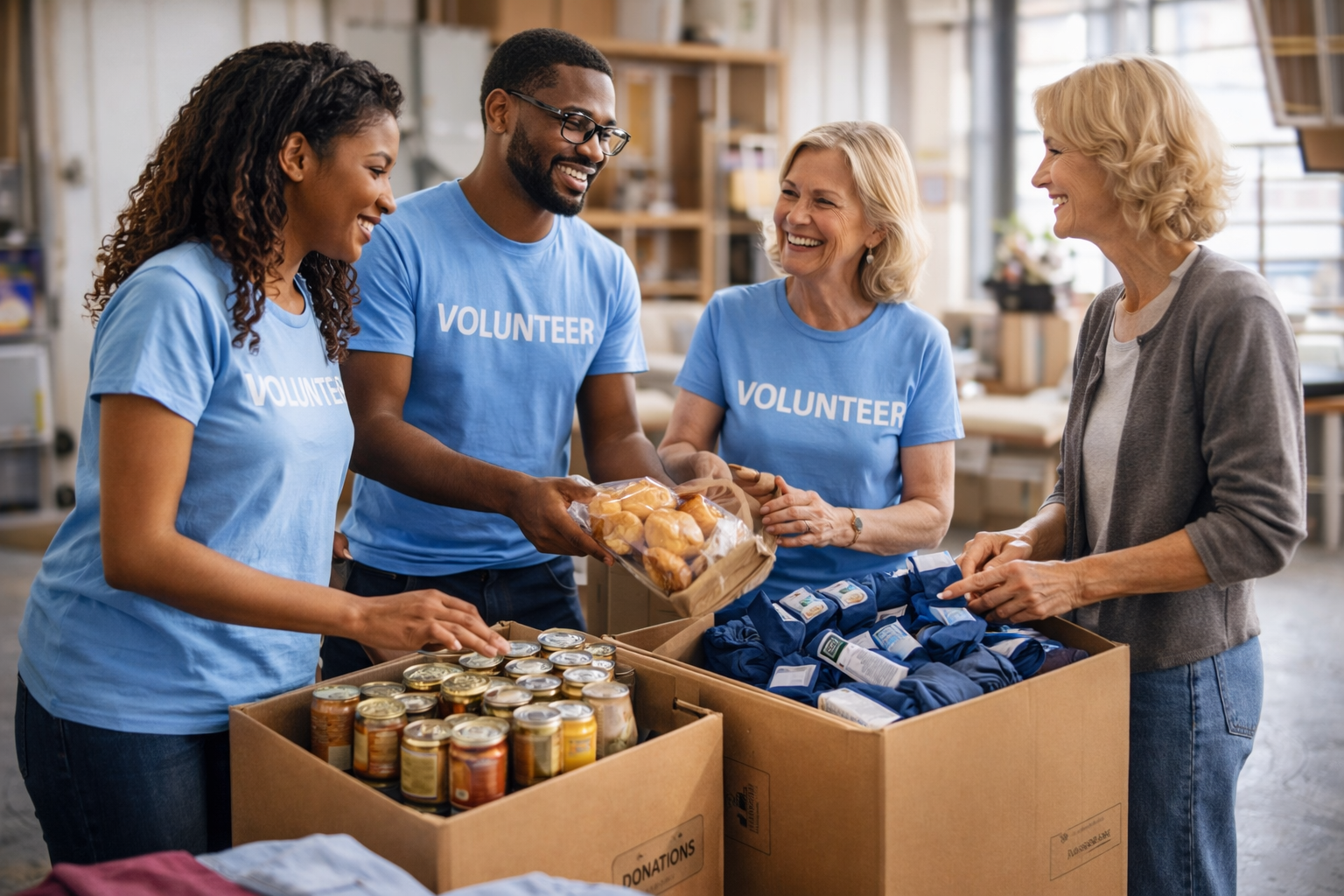
Confidence doesn’t come from being told “you can do this.”
It comes from doing it.
Hands-on learning allows people to experience small, manageable successes:
Completing a task
Helping someone else
Being relied upon
Seeing the result of their effort
These moments are powerful because they’re real.
No grades.
No feedback forms.
No abstract outcomes.
Just the quiet realisation:
“I did that.”
And once someone has that experience — even once — it changes how they see themselves.
When Learning Feels Real, It Becomes Meaningful
Traditional learning often asks people to prepare for a future that feels distant or uncertain.
Hands-on learning happens now.
In real spaces.
With real people.
With real consequences and real impact.
Whether it’s supporting an event, helping in a venue, contributing to a community activity, or being part of a working environment — the learning feels relevant because it is relevant.
People aren’t learning “for later.”
They’re learning while contributing.
That sense of purpose is what makes skills stick.
Removing the Fear of Getting It Wrong
One of the biggest barriers to learning is fear:
Fear of failing
Fear of looking foolish
Fear of being judged
Hands-on, informal learning environments reduce that fear dramatically.
There’s room to:
Watch first
Ask quietly
Learn through observation
Try, adjust, and try again
Mistakes aren’t highlighted — they’re absorbed into the process.
That safety is critical.
Because when people don’t feel threatened by failure, they’re far more willing to engage.
Learning Without Labels Is Still Learning
Not everyone responds well to words like:
Training
Education
Qualifications
For some, those words come with baggage.
Hands-on learning doesn’t need labels to be effective.
People develop:
Communication skills
Reliability
Time awareness
Teamwork
Confidence in social settings
Problem-solving ability
These are real-world skills — often the very ones employers, communities, and organisations value most.
And they’re learned naturally, through participation, not instruction.
Progress Happens at a Human Pace
One of the strengths of practical learning is flexibility.
Some people step forward quickly.
Others need time to settle, observe, and trust the environment.
Hands-on learning allows for both.
There’s no stopwatch.
No deadline to “catch up.”
No pressure to move faster than someone is ready for.
That respect for individual pace is often what makes engagement sustainable — especially for people who’ve disengaged in the past.
Why This Matters in Community Spaces
Community spaces are uniquely powerful learning environments because they are human by nature.
They are:
Social
Imperfect
Relational
Real
Learning in these spaces doesn’t feel like “education” — it feels like life.
People learn by showing up, being involved, and gradually finding their place.
And when someone feels like they belong, learning becomes a by-product of connection.
Learning That Leaves a Lasting Impact

Practical, hands-on learning doesn’t just build skills.
It rebuilds:
Self-belief
Trust in others
A sense of purpose
Confidence to try again
For many people, that impact goes far beyond the activity itself.
It becomes a turning point.
A reminder that learning isn’t something they failed at —
it’s something they just hadn’t experienced in the right way yet.
